
Describe the property
Send the location, symptoms, equipment and access details. State whether the work is a repair, replacement or planned project.
Need duct cleaning in Aylmer? Tell us which air ducts, dryer vent or ventilation equipment need attention. A responding provider will confirm coverage and availability before booking.
Get A Free QuoteCompare a whole-system scope covering supply and return branches and trunks. Ask how negative pressure, brushing, access limits, and any inspection photos will be handled.
View scopeScope the route from dryer to exterior hood, including bends, concealed sections, and access. Ask whether the hood will be checked and how airflow will be assessed.
View scopeIdentify whether the quote includes the blower assembly, evaporator coil, drain pan, and condensate line. Equipment design and access determine which components can be cleaned.
View scopeCompare HRV core, screens, filters, condensate path, and exhaust duct work. Share the unit model and identify wall or roof terminations when requesting a scope.
View scopeConsider treatment only after identifying the odour concern and discussing cleaning first. Ask for product, application, label directions, and occupant precautions.
View scopeDocument accessible leaks, detached joints, and crushed runs. Ask how the system will be checked and whether each section needs sealing or replacement.
View scopeProvide equipment, access, operating-hour, and documentation requirements. Scope rooftop units, long shop runs, and distinct exhaust systems separately where appropriate.
View scopeCommercial ventilation scopes vary with the building, equipment, operating hours, and type of duct or exhaust system. For a site in Aylmer, gather equipment lists, access details, available drawings, and any prior maintenance records before requesting estimates. Ask how rooftop units, long shop runs, and separate exhaust systems will be assessed and documented. If work must fit around business operations, describe the required schedule and site constraints so the proposed scope can address them.
Compare a whole-system scope covering supply and return branches and trunks. Ask how negative pressure, brushing, access limits, and any inspection photos will be handled. Scope the route from dryer to exterior hood, including bends, concealed sections, and access. Ask whether the hood will be checked and how airflow will be assessed. Identify whether the quote includes the blower assembly, evaporator coil, drain pan, and condensate line. Equipment design and access determine which components can be cleaned.
Compare HRV core, screens, filters, condensate path, and exhaust duct work. Share the unit model and identify wall or roof terminations when requesting a scope. Consider treatment only after identifying the odour concern and discussing cleaning first. Ask for product, application, label directions, and occupant precautions.
Document accessible leaks, detached joints, and crushed runs. Ask how the system will be checked and whether each section needs sealing or replacement. Provide equipment, access, operating-hour, and documentation requirements. Scope rooftop units, long shop runs, and distinct exhaust systems separately where appropriate.
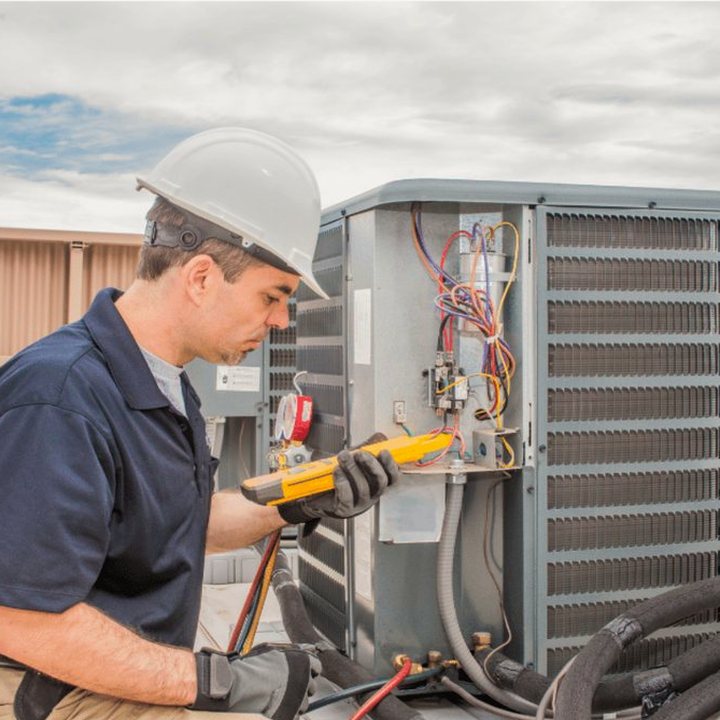
A dryer vent scope depends on the full route from the appliance to its exterior termination. If clothes need repeated cycles, the vent is unusually long, or the duct has several bends, document the symptoms and route before requesting an estimate. Ask whether the proposed work clears the entire duct, including the exterior hood, and how airflow will be checked afterward. That information helps distinguish lint buildup from a problem with the appliance, duct design, or termination.
Explore this serviceSend the location, symptoms, equipment and access details. State whether the work is a repair, replacement or planned project.
The request is reviewed so the responding provider can clarify the work, property access and service coverage.
Agree the provider identity, qualifications, written scope, pricing and visit window directly. Sending a form does not confirm an appointment.
A supply-side leak may release conditioned air, while a return-side leak can draw air from surrounding spaces into the system. Ask which side is implicated and how that conclusion was reached. If exposed return ducts run through a dusty basement or another unconditioned area, photograph their joints and surroundings. The location changes the likely consequence and helps prioritize repairs without assuming every property has the same issue.
If the furnace or air handler is in a tight basement space, near older wiring, or surrounded by stored items, share photos before work is planned. Access affects which components can be reached and how nearby controls and sensors can be protected. Ask what must be moved, what the estimate excludes, and whether any unsafe or inaccessible condition would pause the work for further review.
If a building handles grain, food processing, or other materials that produce dust or residue, describe the processes and affected equipment before work is scoped. These conditions can require a different assessment from a typical office duct run. Ask how rooftop units, long shop ducts, and exhaust systems will be reviewed, and whether each system will be quoted separately. This supports an equipment-specific scope rather than a vague hourly estimate.
If the vent passes through a wall, ceiling, or a long series of elbows, share those details before work is scoped. Lint can collect beyond the short section behind the appliance, so ask how the full route to the exterior hood will be cleared. Photograph visible connections and bends where accessible; this helps identify access constraints and avoid assuming the duct is straight.
Confirm whether the unit has a removable core, how its material will be checked, and whether screens and the condensate path are included. Core designs differ, so the method should follow the equipment instructions rather than assume every core can be washed. Share the model number and a photo of the unit label; that can clarify access, filter type, and what maintenance is appropriate.
Use the form to describe the property, the symptoms and the work requested. For Springfield, Belmont, St. Thomas, London, include your postal code so local coverage can be checked.
If your location is not listed, include its postal code with the requested work. Coverage, travel arrangements and scheduling must be confirmed directly with the provider.